
Why it matters
Nose vents, clips and strips all work by opening the nose. If the noise comes from the soft tissue at the back of the throat, a wider nostril won't change much. Knowing which kind you are saves money and several bad nights.
The closed-mouth test
Close your lips and try to make a snoring sound. If you can, your nose is involved: vents, clips or strips are worth a try.
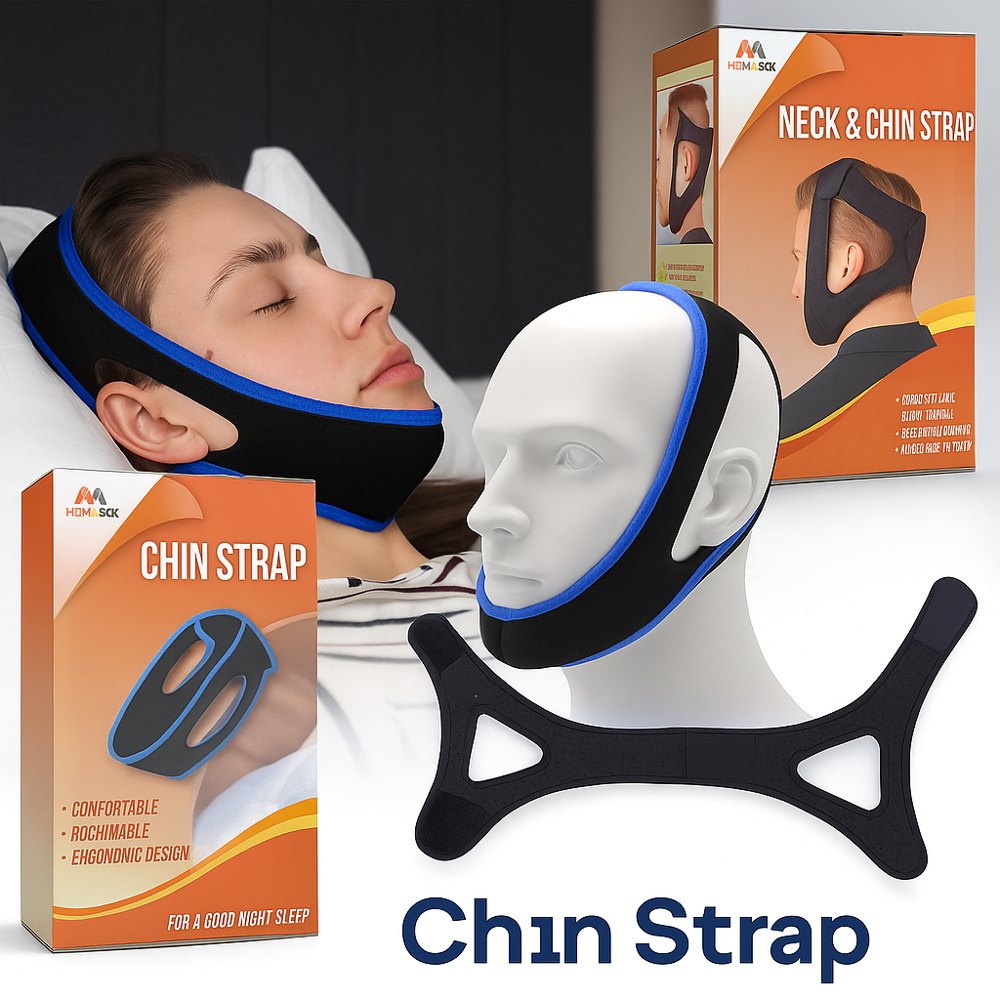
Now open your mouth and try again. If you can only snore with your mouth open, it's likely throat or mouth snoring. A chin strap that holds the jaw closed is the more useful tool.
The press test
Press one nostril closed and breathe in through the other. If the open side collapses inward, you likely have narrow or soft nasal walls, and a firm cone vent is a good match.
When it's both
Plenty of people do a bit of both. Pairing a chin strap with a vent is common and comfortable once you're used to it.
When to see a doctor
Loud snoring with gasping, choking or daytime exhaustion can be a sign of sleep apnea. That needs a doctor, not a drawer of gadgets. Our aids are for ordinary snoring, not for medical conditions.